4 Simple Ways to Prepare your Child for School
The first day of school is an exciting milestone for both children and families. While shopping for school supplies and picking out backpacks are a fun and important part of the process, back-to-school readiness begins long before your child walks through the classroom door.
At Children’s Manor & Children’s Magnet Montessori Schools, we believe every child is capable of achieving great things when they are given the opportunity to learn and grow at their own pace with consistent support. We’ve seen how with encouragement, patience, and practice, every child can begin the school year feeling confident and excited for what’s ahead!
Many families wonder how they can best prepare their child for preschool or kindergarten. While reviewing letters, numbers, and colors can certainly be helpful, school readiness involves much more than academic knowledge. Children also benefit from developing everyday life skills that help them feel confident in a classroom setting, such as following routines, caring for their belongings, and completing simple tasks independently.

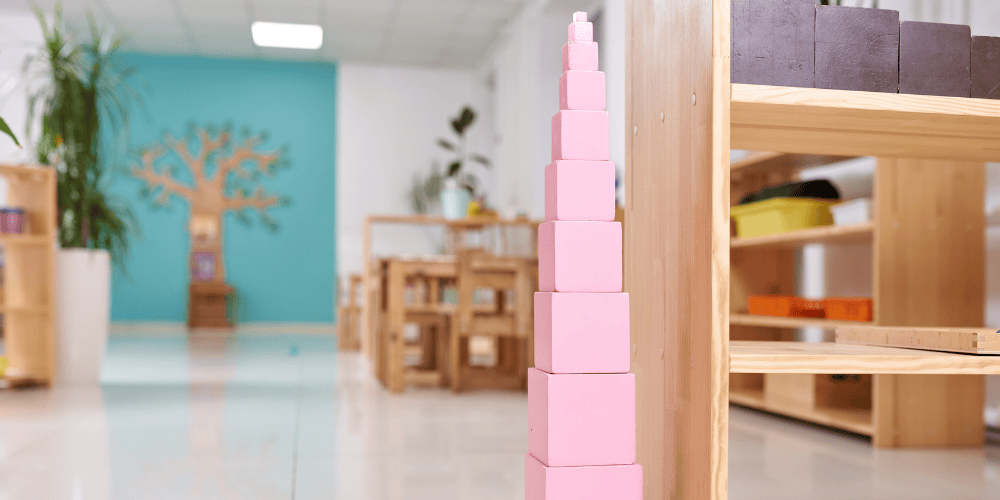
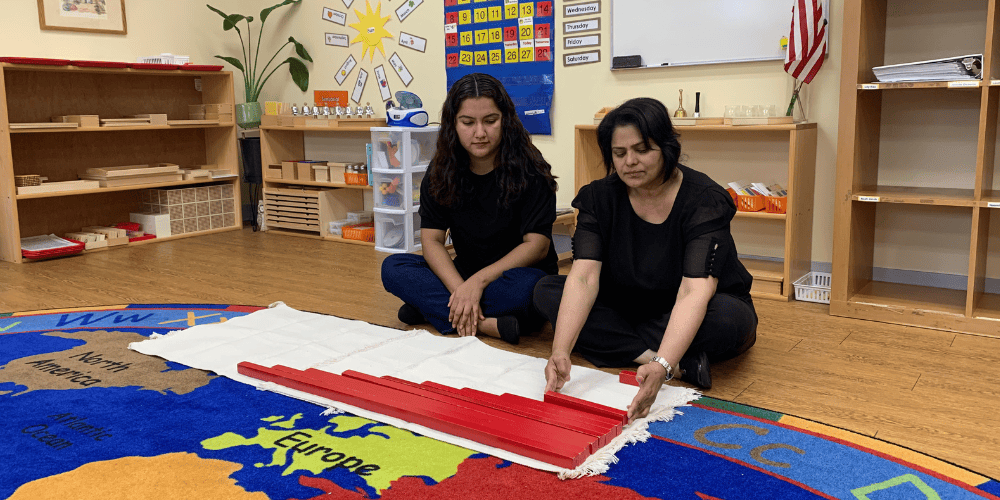
At CMMS, independence is at the heart of everything we do. Montessori classrooms are intentionally designed with child-sized furniture, accessible learning materials, and carefully prepared environments that empower children to make choices, care for themselves, and confidently navigate their daily routines. By practicing similar habits at home, families can create consistency between home and school, helping children feel more comfortable as they transition into the classroom. If you’re new to the world of Montessori, we encourage you to check out 6 Tips Montessori Parents Need to Know!
Four Simple Ways to Help Your Child Feel Ready for the New School Year:
1. Practice Getting Dressed Independently and Practice/Introduce Toilet-Training
Encourage your child to put on their own shirt, pants, socks, and shoes each day. While it may take a little longer at first, practicing these skills helps children develop fine motor skills and builds patience. Offer simple/limited choices, such as selecting between two shirts or choosing their own socks, to help them build decision-making skills while encouraging independence. If they become frustrated, provide encouragement rather than stepping in right away. Every successful attempt helps build perseverance and prepares them to complete similar tasks independently during the school day.

Another way to help your child get into the back-to-school mindset is to encourage them to use the toilet throughout the day and before getting dressed each morning. Building this routine helps children naturally recognize their body’s cues for when it’s time to use the bathroom. It also gives them confidence in managing their own needs, making a smoother transition (with fewer interruptions) into a new environment out of the home setting.
2. Carry and Put Away Their Own Belongings
Give your child opportunities to carry their backpack, lunch box, and/or water bottle and put them in their designated place at home. These small responsibilities teach organization and help children become more confident managing their own belongings when they arrive at school each morning.
Before the school year begins, consider making a special outing to let your child choose their own backpack or lunch box. Having a say in something they’ll use every day can help build excitement for school and encourage them to take pride in caring for their belongings.
Create a designated space in your home where your child can independently put away their backpack each day, such as a hook, cubby, or basket near the door. When children know exactly where their belongings belong, they are more likely to take ownership of putting them away without being repeatedly reminded. Encourage them to place their backpack in its spot as soon as they come home, and to gather it again before leaving for school. Consistently practicing this routine every day helps children build responsibility, develop organizational skills, and establish habits they will use both in the classroom and at home as they also gain confidence in their ability to successfully complete everyday tasks independently.
3. Practice Opening and Closing Lunch Containers
Many young children are eager to eat lunch independently but may struggle with accessing unfamiliar containers. Before school starts, introduce your child to the lunch box, snack containers, and water bottle they’ll be using each day so they become familiar with how everything works. For young children especially, it is also helpful to practice feeding themselves using the same utensils and containers they’ll have at school. Encourage your child to use a fork or spoon, open food packaging, peel fruit, and drink from their water bottle on their own during meals and snacks at home.
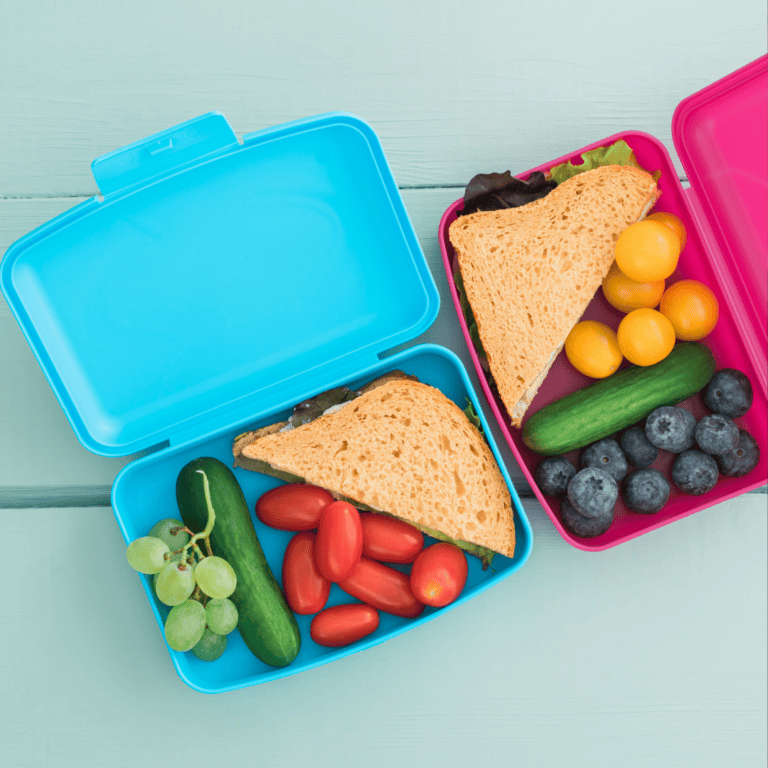
You can even pack a picnic lunch in these containers and encourage your child to unpack their food, organize their items to eat, and pack it back up when they are finished. This gives you the opportunity to see if any containers are difficult to open while helping your child feel comfortable with their new lunchtime routine. These simple opportunities can reduce frustration while helping strengthen fine motor skills, building confidence, and allowing students to focus on enjoying their meal and spending social time with their classmates.
4. Clean Up Toys and Learning Materials
Cleaning up after playtime teaches responsibility and respect for the environment. Encourage your child to consistently take a minute to return toys, books, and art supplies to their proper place before moving on to another activity.
You can also create a designated space in your home where your child has access to a small selection of toys or learning materials. Encourage them to choose one activity at a time, enjoy it, and then return everything to its proper place before taking out something new. This not only keeps the space organized but also helps children practice making thoughtful choices, caring for their belongings, and fully completing one task before beginning another.
When children know where each item belongs and are given consistent opportunities to clean up independently, they begin to take ownership of their environment. These simple routines strengthen their sense of organization, ability to concentrate, and felt responsibility while helping children develop the independence they’ll use every day in a classroom. In a Montessori environment, children actively engage in caring for both their materials and their overall classroom, making these habits an important part of preparing for a successful school year.
Building Confidence Beyond the First Day
School readiness isn’t about expecting perfection before the first day! It’s instead about giving children regular opportunities to practice everyday skills so they feel capable and confident in a new environment.
While some of these everyday tasks may seem small, they can make a lasting impact on your child’s development and school readiness. Simple routines like carrying their own backpack, putting away their belongings, feeding themselves, and cleaning up help children develop independence in these daily responsibilities one step at a time.
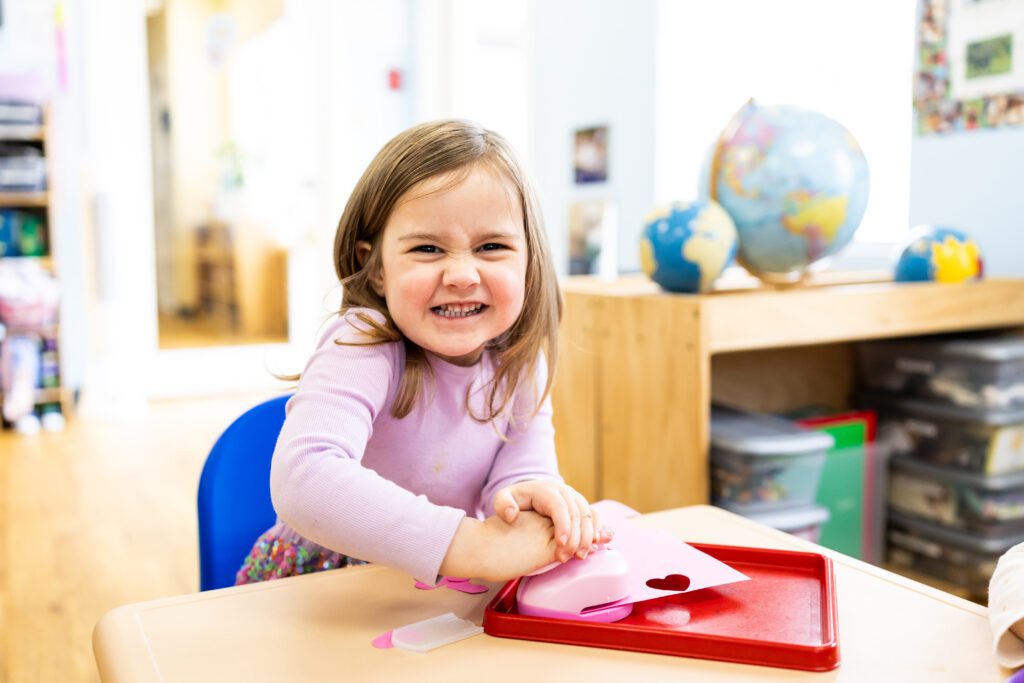
Building these habits before the start of the school year also helps children feel more comfortable with settling into classroom expectations, since instead of focusing on unfamiliar routines, they can spend their time exploring, learning, making friends, and enjoying the new environment. The confidence they build at home often carries over into the classroom, making the transition to school smoother for both children and parents.
As the first day of school approaches, remember that preparing your child isn’t just about practicing letters, numbers, or academic skills. It’s about helping them develop the confidence, sense of responsibility, and growing independence they’ll use every day. These life skills create a strong foundation for success, not only during the first week of school but throughout their educational journey.
Looking for more ways to help your child transition into the school year? Explore our blog on Tips for a Successful Preschool Drop-Off for strategies that can help ease first-day jitters, establish positive morning routines, and set your child up for a confident start.

If your child will be joining CMMS this fall, we’re excited to welcome your family and are grateful you’ve entrusted us with your child’s learning journey. If you’re still searching for the right preschool for the upcoming school year, we invite you to learn more about our Montessori approach and discover how we help children build confidence through hands-on learning, independence, and meaningful experiences.
Remember that every child develops at their own pace. Some children may quickly master these skills, while others may need extra encouragement and practice. Celebrate your child’s progress rather than expecting perfection. Offering praise for their effort, allowing them time to complete tasks independently, and resisting the urge to step in too quickly can make a meaningful difference. Small moments of independence each day build confidence over time. The goal isn’t for children to do everything perfectly before school starts; it’s to help them feel capable, supported, and excited to continue learning as they grow.
Schedule a tour at the CMMS location that’s most convenient for your family! We’d love to show you how our prepared classrooms and caring teachers help children grow into confident, independent learners.